 VitaroUNO INDUSTRIAL
Comparison
Pedestal Deck vs Traditional Sleeper Deck: Which Should You Build?
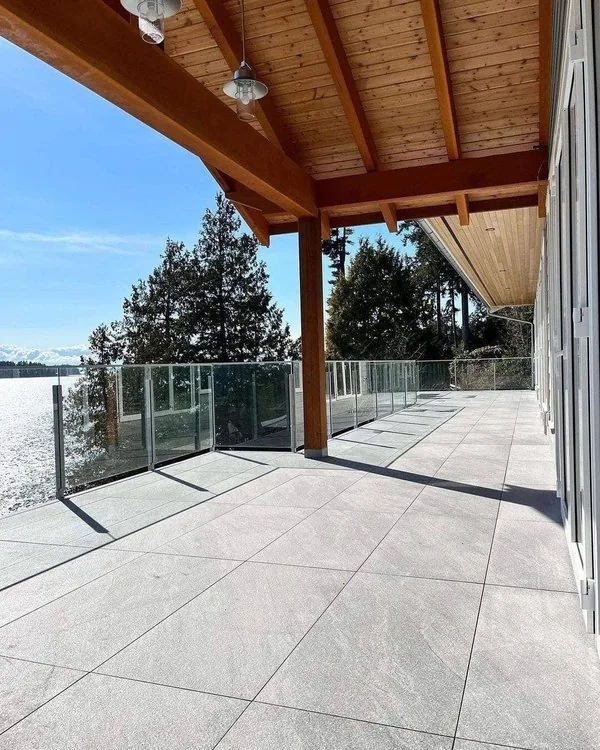
If you are specifying a deck, the first structural decision is how it is supported. The two common approaches are a pedestal deck (adjustable point supports carrying joists or pavers above the slab) and a traditional sleeper deck (timber sleepers laid on the ground or roof, with joists fixed on top). Both reach the same goal — a level walking surface — but they differ sharply in build method, speed, waterproofing care and where they make sense.
1. How each deck is built
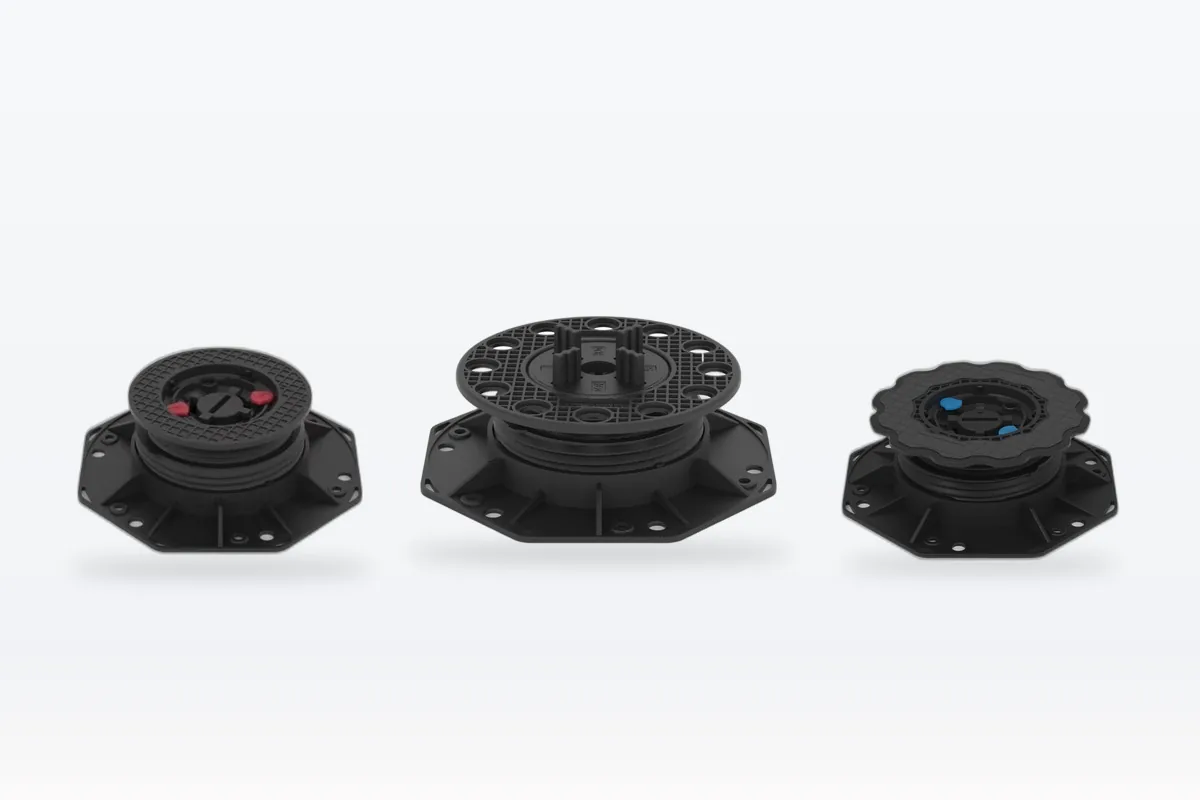
Pedestal deck. Adjustable pedestals are placed on the slab or roof on a grid (typically 500–600 mm). Each pedestal has a base, a height-adjustable body, and a head that carries joists (for timber/composite decking) or directly supports pavers/tiles. The deck is dry-laid — no concrete, no adhesive, no penetration of the surface below.
Traditional sleeper deck. Timber sleepers are laid directly on the ground or roof slab, spaced to carry joists that are then fixed (screwed or bracketed) on top. The deck follows the existing surface, so any slope or unevenness in the substrate carries straight through unless you shim or cut the sleepers.
2. Leveling on slopes & uneven surfaces
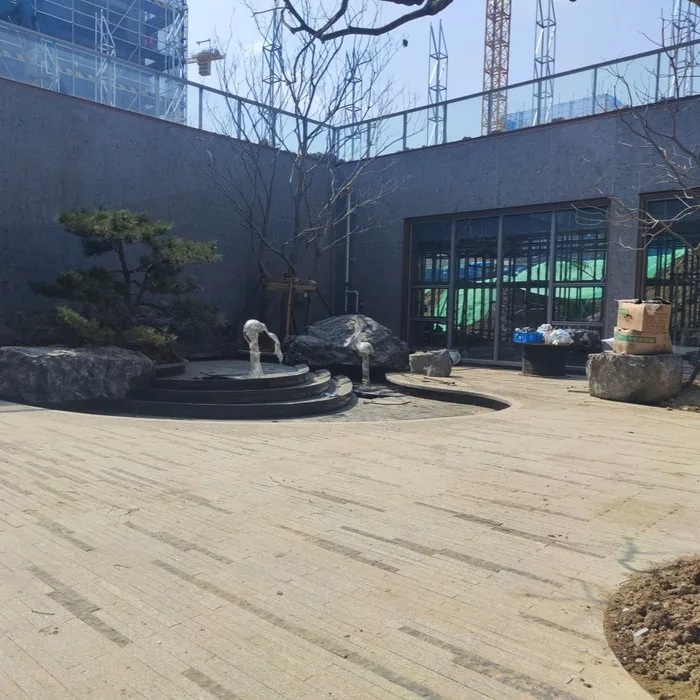
This is where the two methods diverge fastest. A pedestal deck self-levels: each support is independently adjustable, and many heads compensate for a few degrees of slope, so a sloped roof or bumpy slab becomes a perfectly level deck with no cutting. A traditional sleeper deck must be leveled by cutting sleepers to length or packing shims under them — slow, and it still traps the original slope in the structure.
If your substrate is flat and level, the advantage is smaller. If it is sloped, raised, or a roof, pedestals are the lower-risk choice.
3. Waterproofing & membrane protection
On a roof or terrace the waterproofing is the most expensive thing you cannot see. Pedestals protect it: they sit on rubber shims, carry no load through fasteners, and never puncture the membrane. A traditional sleeper deck is riskier — sleepers are often fixed down, and trapped moisture against a slab accelerates failure of both the timber and the waterproofing beneath it.
For any build over an existing roof membrane, pedestals are the standard professional choice precisely because they leave the waterproofing untouched and inspectable.
4. Drainage & serviceability
A pedestal deck is open underneath: water drains freely across the slab, debris is easy to hose out, and you can lift a board or paver to reach a drain, a cable, or the membrane. A sleeper deck sits closer to the surface; sleepers can trap litter and ponding, and reaching the substrate means dismantling part of the structure.
5. Build speed & labour
For raised or uneven decks, pedestals install faster: clip joists or drop pavers onto the heads, no wet trades, no curing time, walkable the same day. A traditional sleeper deck is competitive only on a flat, low, ground-level build where the carpentry is simple. The moment there is height to achieve or a slope to absorb, pedestals pull ahead on install hours.
6. Cost comparison
Short answer: pedestals usually cost more in materials per m², sleepers usually cost more in labour — and the crossover depends on the site.
- Low, flat, ground-level timber deck: a sleeper build can win on material cost, especially for DIY or simple carpentry.
- Raised, sloped, or roof deck: pedestals win on total installed cost once you price the shimming, cutting and membrane risk out of the sleeper option.
For the pedestal side of the maths — unit price, pedestals per m² and full system pricing — see the adjustable pedestal cost per m² guide. As a manufacturer, Vitaro project pricing is normally below resale ranges.
| Factor | Pedestal deck | Traditional sleeper deck |
|---|---|---|
| Support method | Adjustable point supports, dry-laid | Timber sleepers + fixed joists |
| Leveling on a slope | Self-levels, no cutting | Cut/pack sleepers — slow |
| Membrane protection | No penetration, inspectable | Fixings risk the waterproofing |
| Drainage below deck | Open, easy to service | Can trap debris/ponding |
| Typical install speed | Fast on raised/uneven decks | Fast only on flat low decks |
| Best value when… | Raised, sloped, roof, or serviced | Low, flat, ground-level, budget-first |
7. Wind, fixing & safety
Is pedestal decking safe? Yes, when specified to the load class and spacing — public-access and podium decks use the heavy-duty HE series. Like any raised deck, it should be restrained against uplift in exposed or high-wind locations using edge clips, perimeter fixing or hidden tie-downs; the pedestals themselves are mechanically locked and do not rely on adhesive. Do pedestal decks need fixing? Only the perimeter and any wind-exposed edge typically need restraint — the field pedestals are held by gravity and their interlocking head. Always follow local fixings and code for the site.
8. When to choose which
- Choose a pedestal deck if the deck is raised, on a slope, over a roof or terrace, or where you must protect and service the waterproofing. Pedestals also win for speed on anything but a flat low build.
- Choose a traditional sleeper deck for a low, flat, ground-level timber deck where first-cost material is the priority and there is no membrane to protect.
If you are still deciding, the how-to-choose guide walks through height, load and series selection, and the pedestal calculator turns your area and height into an exact count.
Related guides
Build it on pedestals: Raised deck on pedestals · Spec it right: How to choose the right pedestal · Step by step: Installation guide.
Product pages: Deck pedestals · HE Series · B Series · F Series.
Frequently asked questions
What is the difference between a pedestal deck and a traditional sleeper deck?
A pedestal deck sits on adjustable point supports (pedestals) that carry joists or pavers above the slab; the deck is dry-laid and fully adjustable in height. A traditional sleeper deck lays timber sleepers directly on the ground or roof slab, then fixes joists to those sleepers — a carpentry-based build that follows the existing surface. Pedestals protect the waterproofing and self-level; sleepers need shimming or cutting to cope with slopes.
Is a pedestal deck cheaper than a traditional sleeper deck?
It depends on the build. Pedestal decks usually cost more in materials per m², but they save on labour (no carpentry, no shimming) and avoid membrane repairs — and they win clearly where the deck is raised, on a slope, or over a roof. For a low, flat, ground-level timber deck, a traditional sleeper build can be cheaper on materials. See the cost-per-m² guide for the pedestal side of the maths.
Is pedestal decking safe, and do pedestal decks need fixing?
Yes, pedestal decking is safe when specified to the load class and spacing — public-access and podium decks use the heavy-duty HE series. Like any raised deck, it should be restrained against uplift in exposed or high-wind locations using edge clips, perimeter fixing or hidden tie-downs; the pedestals themselves are mechanically locked and do not rely on adhesive. Always follow local fixings and code for the site.
Can you build a pedestal deck on a sloped surface?
Yes — this is where pedestals excel. Each pedestal is independently height-adjustable (and many heads self-level up to a few degrees), so a sloped roof or uneven slab becomes a level deck without cutting or packing. A traditional sleeper deck on a slope needs cut sleepers or packed shims and is far more labour-intensive to level.
Which is faster to install: a pedestal deck or a sleeper deck?
For raised or uneven decks, pedestals are faster: clip joists or pavers onto the heads, no wet trades, no curing, and the deck is walkable the same day. A traditional sleeper deck is competitive only on a flat, low ground-level build where the carpentry is simple; the moment there is a slope or height to achieve, pedestals pull ahead on install time.
When should I choose a traditional sleeper deck over pedestals?
Choose a sleeper deck for a low, flat, ground-level timber build where cost is the priority and there is no waterproofing to protect. Choose a pedestal deck for anything raised, sloped, over a roof or terrace, or where you need to service the surface below — pedestals protect the membrane, drain freely and let you lift the deck to inspect.